De Lacey
De Lacey is the blind, benevolent patriarch of the exiled French family whose cottage the monster secretly observes, and the only human being who ever treats the monster with kindness before learning his identity. His gentle nature and tragic history make him the monster's last hope for human acceptance, and his rejection—though indirect—catalyzes the monster's final turn toward vengeance.
Identity and Background
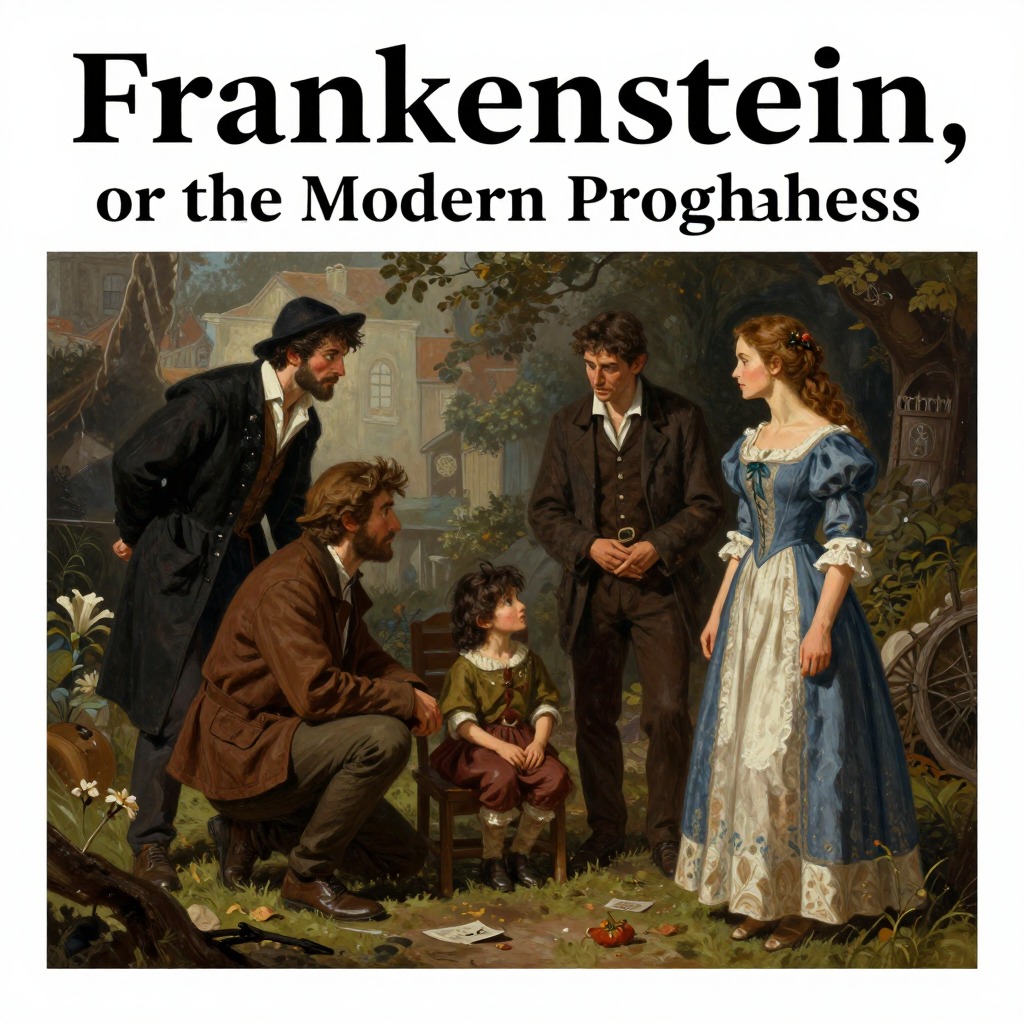
De Lacey is a Frenchman of good family who once lived in affluence in Paris, respected by his superiors and beloved by his equals. His son Felix was bred in the service of his country, and his daughter Agatha had ranked with ladies of the highest distinction. The family's ruin came through Felix's attempt to rescue Safie's father, a Turkish merchant condemned to death. When the plot was discovered, De Lacey and Agatha were thrown into prison, and after five months of confinement they were stripped of their fortune and condemned to perpetual exile from France. They found a miserable asylum in a small cottage in Germany, where the monster discovered them. De Lacey is blind, a condition that becomes crucial when the monster decides to approach him alone, hoping that his inability to see the monster's hideous form will allow him to judge by character alone.
Life in the Cottage
In the cottage, De Lacey spends his leisure hours playing a guitar and producing sounds that the monster finds sweeter than the voice of the thrush or the nightingale. His silver hair and benevolent countenance win the monster's reverence. He is treated with the utmost love and respect by Felix and Agatha, who perform every little office of affection and duty with gentleness, and he rewards them with his benevolent smiles. Despite the family's poverty—their nourishment consisting entirely of vegetables from their garden and the milk of one cow—De Lacey remains a figure of calm and dignity. He often endeavors to encourage his children to cast off their melancholy, talking in a cheerful accent with an expression of goodness that bestows pleasure even upon the hidden monster.
The Encounter with the Monster
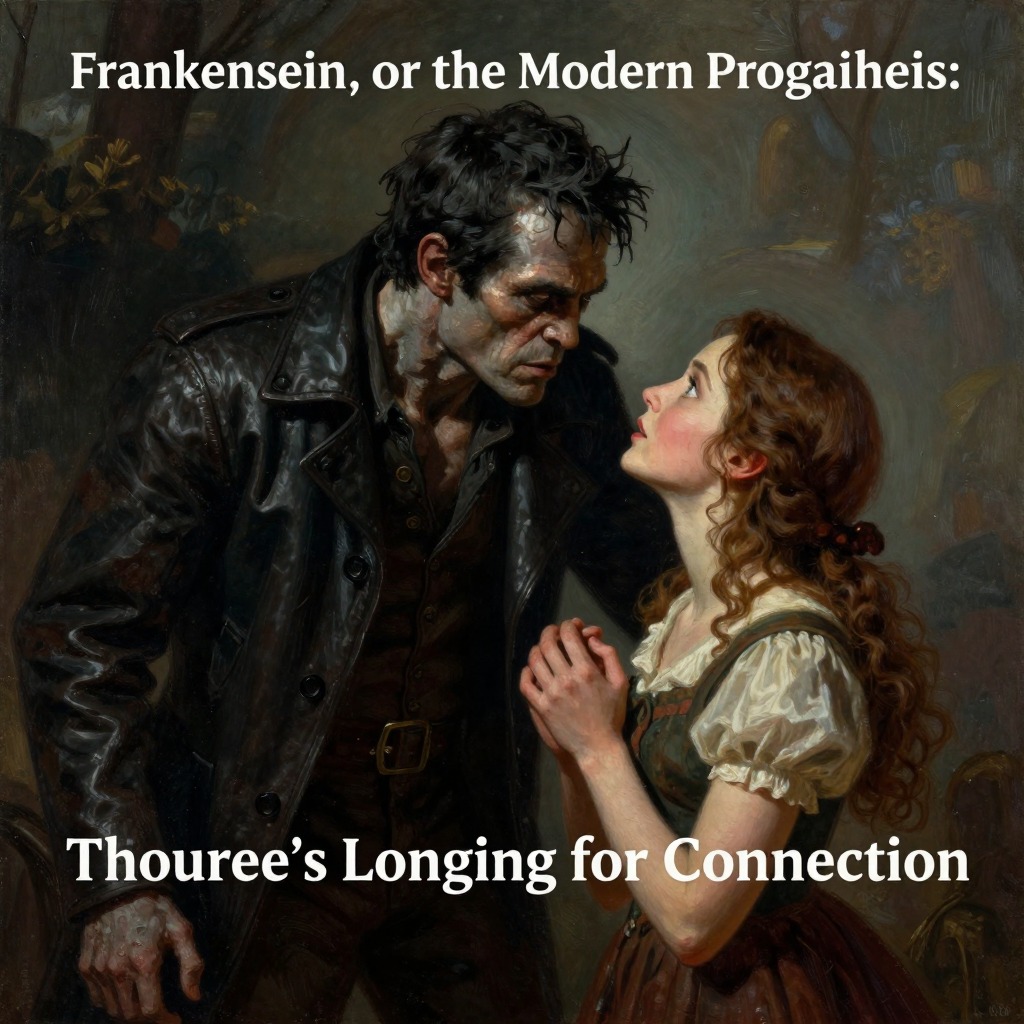
The monster, having learned language and human history by observing the family, resolves to introduce himself when De Lacey is alone. He enters the cottage and, finding the old man blind, engages him in conversation. De Lacey responds with kindness, saying, "Do not despair. To be friendless is indeed to be unfortunate, but the hearts of men, when unprejudiced by any obvious self-interest, are full of brotherly love and charity." He offers to help the monster, stating, "I am poor and an exile, but it will afford me true pleasure to be in any way serviceable to a human creature." The monster, overcome with emotion, reveals that De Lacey and his family are the friends he seeks. At that moment, Felix, Safie, and Agatha return. Felix tears the monster from his father's knees and dashes him to the ground, and the monster flees.
Aftermath and Significance
The encounter ends all hope for the monster. The De Lacey family, terrified by the monster's appearance, immediately abandon the cottage. Felix tells a companion, "We can never again inhabit your cottage. The life of my father is in the greatest danger, owing to the dreadful circumstance that I have related." The monster, finding the cottage deserted, burns it to the ground in a rage. De Lacey himself never appears again in the narrative, but his brief act of kindness—the only human kindness the monster ever receives—becomes a bitter memory that the monster recalls even as he commits his worst crimes. The monster later tells Victor, "I thought of my friends, of the mild voice of De Lacey, the gentle eyes of Agatha, and the exquisite beauty of the Arabian," and these thoughts momentarily soothe him before anger returns. De Lacey's role is thus pivotal: he represents the possibility of human compassion transcending physical appearance, a possibility that is destroyed by the fear and prejudice of those who can see.